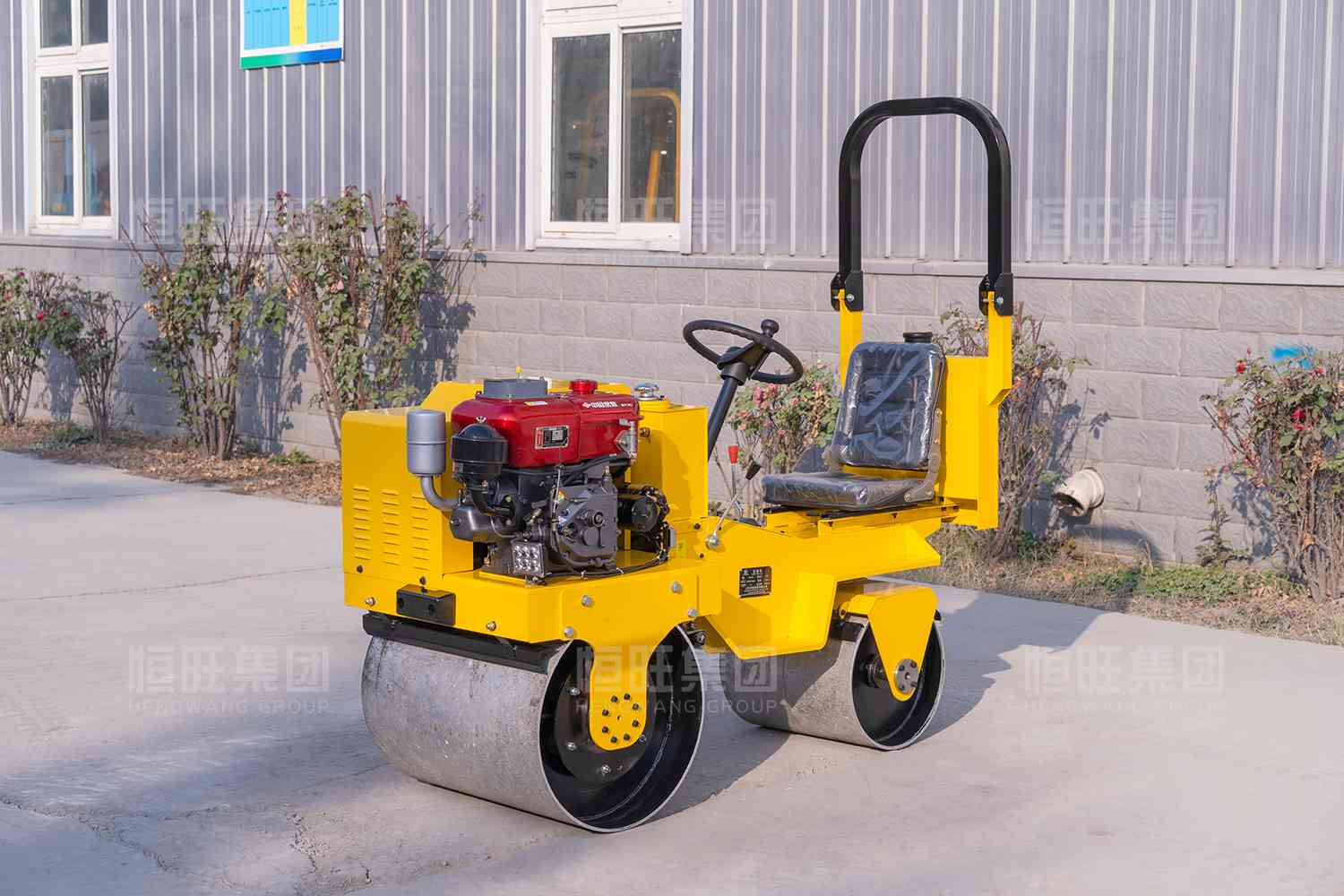
Walk-behind road rollers are widely used in construction projects due to their simple operation and strong adaptability. However, low-temperature environments impose multiple impacts on the performance and lifespan of road rollers. Understanding these key challenges and implementing protective measures are essential for ensuring equipment efficiency. Here's an analysis of low temperature’s specific effects on road rollers across three core aspects:
1. Reduced Lubrication Efficiency, Accelerated Component Wear
Low temperatures significantly increase the viscosity of lubricating oil in road rollers, drastically reducing its fluidity. This prevents oil from reaching critical transmission components (e.g., bearings, gears) promptly, causing delayed lubrication. Starting a road roller under such conditions leads to intensified dry friction, risking issues like cylinder scoring in the engine or gear wear in the transmission. Data shows that component wear rates in road rollers under low temperatures can increase by over 30% compared to normal temperatures, directly shortening equipment lifespan.
2. Battery Performance Degradation, Compromised Starting Capability
Low temperatures notably affect road roller batteries. Increased electrolyte viscosity reduces ion migration speed, raising internal resistance and decreasing battery capacity—actual output power may drop to less than 60% of normal levels. Common symptoms include insufficient starter motor speed, dim dashboard lights, or even complete failure to start due to power loss. Frequent failed starts in low temperatures further damage battery plates, shortening their replacement cycle.
3. Elevated Engine Starting Resistance, Higher Failure Rates
Difficult engine starting in low temperatures is a typical issue for road rollers. On one hand, increased oil viscosity raises crankshaft rotation resistance, requiring higher starting torque. On the other hand, reduced air density deteriorates fuel atomization, causing incomplete combustion and issues like starter gear grinding or unstable idling. Forcing starts in low temperatures long-term can also create stress concentration in the engine block, risking cracks.
Conclusion
Low-temperature environments significantly impact the lubrication system, battery, and engine of walk-behind road rollers, directly affecting equipment reliability and service life. Pre-construction preparations should include replacing winter-specific lubricants, checking battery charge, and proper engine preheating to minimize cold-start wear. Prioritizing these details ensures road rollers operate stably in cold conditions and reduces maintenance costs.